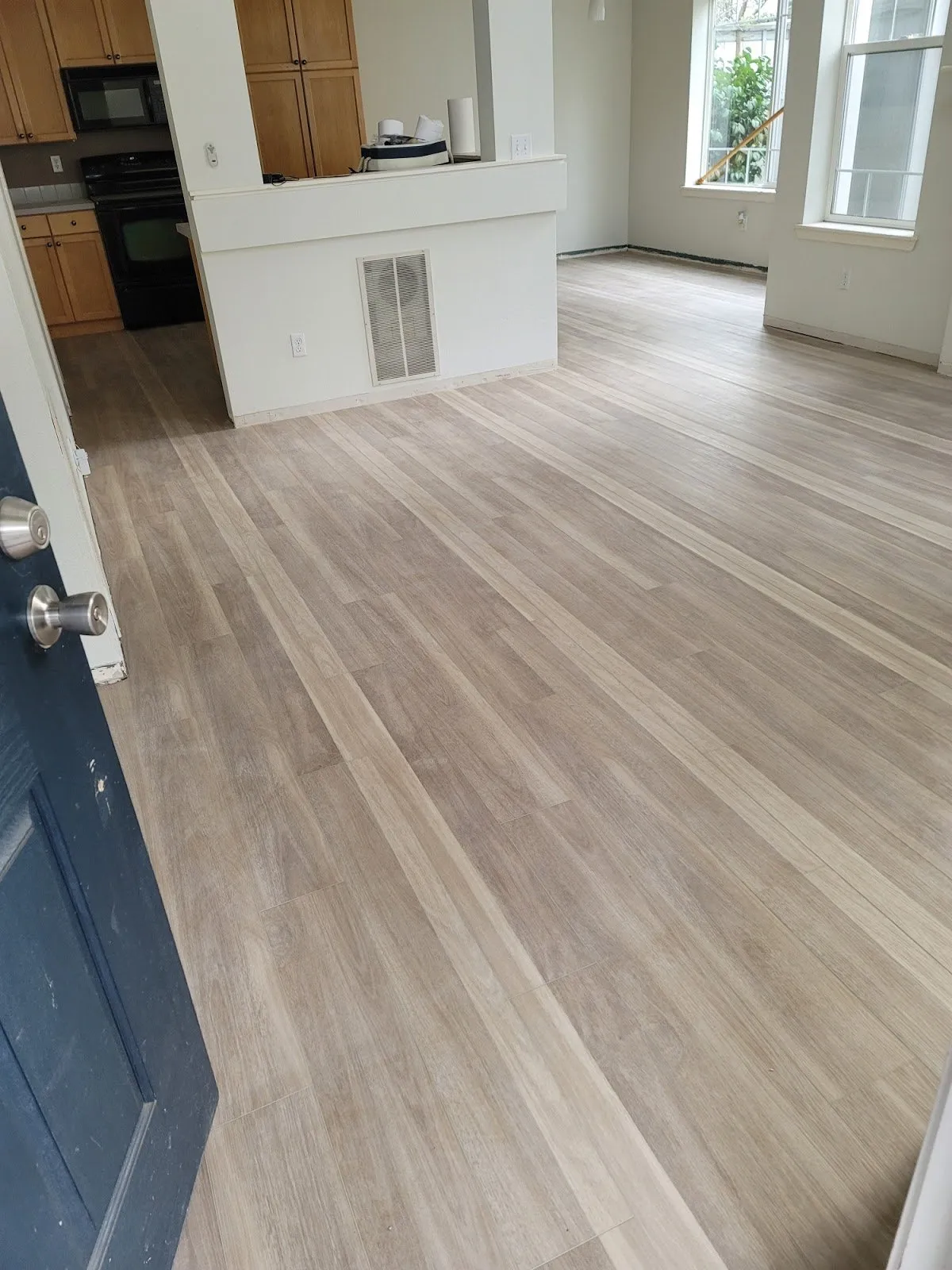
Interior Painting Tips to Complement Your New Floors
Choosing the right interior paint colors to complement your new flooring can be a daunting task. However, with careful consideration and a few strategic tips, you can create a cohesive and inviting atmosphere in your home. This blog post will explore how to make informed choices regarding color coordination, paint finishes, and overall home decor to enhance your living spaces beautifully.
Understanding Color Coordination
Color coordination is essential in interior design. It involves selecting paint colors that harmonize with your flooring and other decor elements. Here are some key principles to consider:
- Identify the undertones of your flooring: Wood floors may have warm or cool undertones. Choose paint colors that reflect these nuances.
- Use a color wheel: Complementary colors can create balance. For instance, if you have warm-toned floors, consider cooler paint shades.
- Test samples: Always test paint samples on your walls before making a commitment. Lighting can significantly affect how colors appear.
Choosing the Right Paint Finish
The finish of your paint can impact both the aesthetic and practical aspects of your walls. Here’s a breakdown of common paint finishes and their ideal applications:
- Flat: Ideal for ceilings and low-traffic areas, flat paint absorbs light and helps hide imperfections.
- Eggshell: A versatile finish that works well in living rooms and bedrooms, providing a soft sheen that's easy to clean.
- Satin: This finish is great for kitchens and bathrooms due to its durability and moisture resistance.
- Semi-gloss: Perfect for trim and moldings, semi-gloss paint reflects light and is easily washable.
- High-gloss: Best for accent pieces or cabinetry, high-gloss finishes are extremely reflective and highlight details.
Popular Color Schemes to Consider
When selecting colors for your interior, consider these popular schemes that can elevate your home decor:
- Monochromatic: Utilizing varying shades of a single color can create a sophisticated and calming environment.
- Analogous: Colors that sit next to each other on the color wheel can create a serene and harmonious look.
- Complementary: Pairing colors from opposite sides of the color wheel can bring energy and contrast to a space.
- Neutral Palette: Soft beiges, grays, and whites can create a timeless backdrop that complements any flooring.
Tips for Specific Room Types
Different spaces in your home may require unique approaches to color and paint choices. Here are tailored tips for specific rooms:
Living Room
In the living room, consider warm, inviting colors that make guests feel at home. Accent walls can add interest and depth.
Kitchen
Bright, cheerful colors can energize your kitchen. Consider washable finishes to withstand cooking splatters.
Bedroom
Soft, muted tones promote relaxation. Choose colors that align with your bedding and furniture for a cohesive look.
Bathroom
Light, airy colors can make a small bathroom feel larger. Opt for moisture-resistant paint finishes.
Final Thoughts
Choosing the right interior paint colors to complement your new floors is an essential step in home decor. By understanding color coordination, selecting the appropriate paint finish, and considering room-specific tips, you can create a harmonious and inviting atmosphere throughout your home. Remember to take your time with the selection process, and when in doubt, consult with a professional for personalized advice.